Bushfire mitigation
Bushfire mitigation
Bushfire mitigation plan
Under our Bushfire Mitigation Plan, we manage assets and risks that could cause fires due to:
- surface contamination of insulators combined with moisture resulting in electrical tracking and potentially leading to pole or cross arm fires
- malfunction of network devices such as surge arresters and expulsion drop out fuses
- contact between vegetation and the electricity network
- bird or animal or third-party contact with electricity assets
- faults of line hardware (electrical and mechanical)
- conductor failures
Natural disasters such as bushfires, floods or extreme weather events may also trigger one or many of these causes of ignition risk.
You can download our bushfire mitigation plans at the bottom of the page.
Safety measures we use on our network
Our team works year-round to keep our network safe and reliable. The information below is a guide to some of the most common safety devices or inspection activities you’ll see on or around our networks or hear about and they represent just part of our comprehensive approach to network safety. For further information, download the network safety factsheet at the bottom of this page.
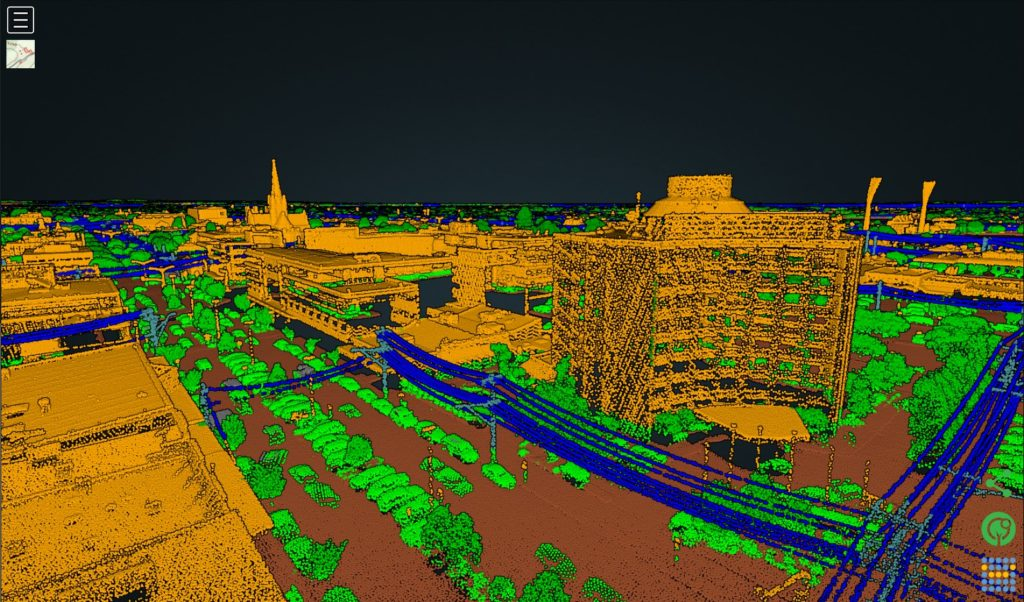
Helicopters fitted with advanced laser detection technology (LiDAR) inspect our entire network of powerlines every year.
They scan and detect vegetation growing near powerlines to inform our tree cutting program and measure conductor clearances (eg. ground, circuit to circuit clearance).
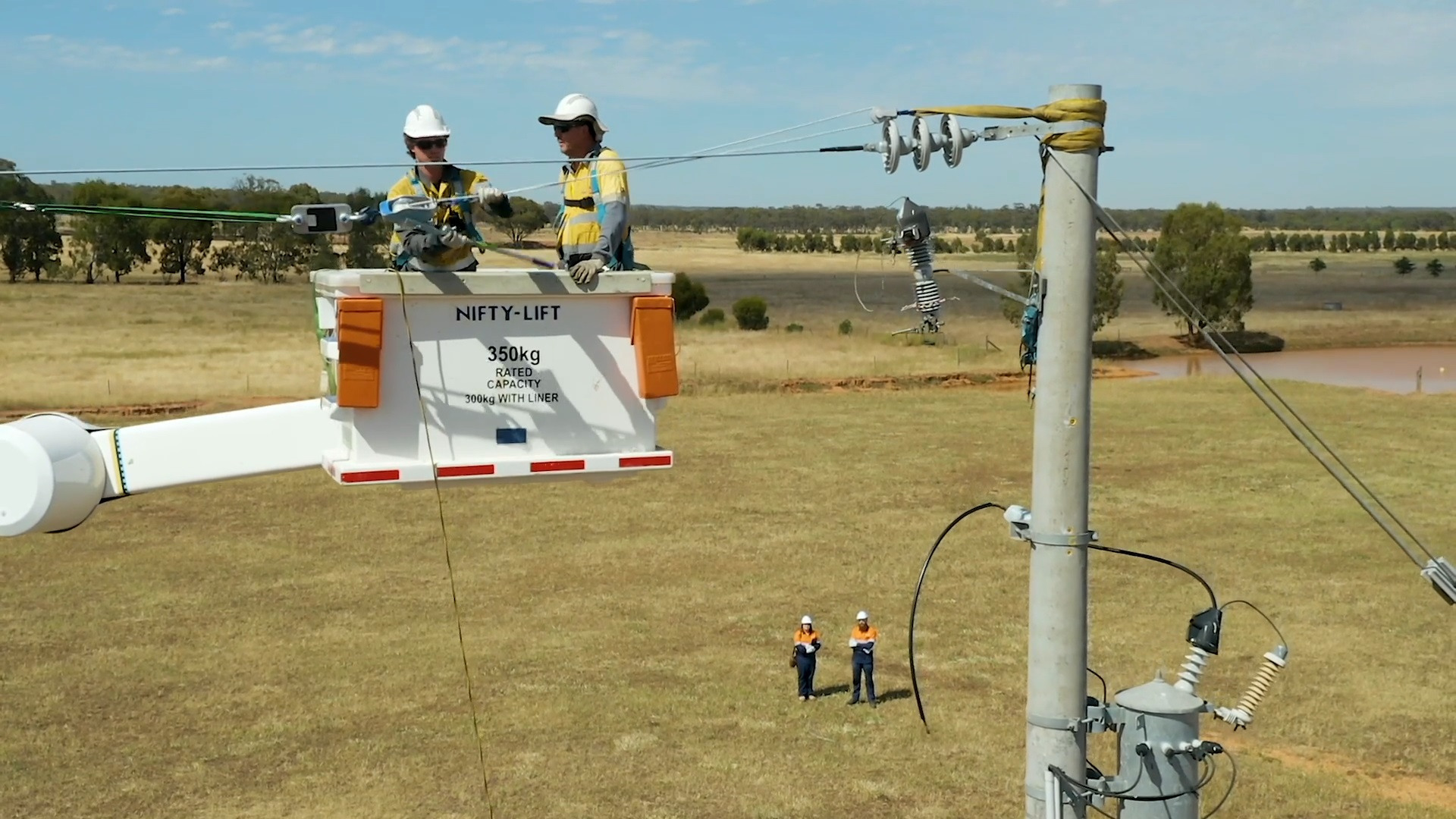
Our crews regularly inspect poles, wires and other electricity assets as part of our work to keep power safe and reliable for our customers. These inspections allow us to identify potential issues and take action to reduce the risk of unplanned power outages. We have a legal obligation to conduct inspections to mitigate risks to property owners and the wider community.
Inspections are predominantly a pre-cursor activity to maintenance, whereby inspection tasks primarily focus on asset condition, defect identification and data collection. We also have obligations under the Electricity Safety Act 1998 to inspect Private Electric Lines (PELs) that are above the surface of land within its distribution area. PELs are inspected to identify any defects, or infringing vegetation, which affect the fire and/or electrical safety of the line
You can find out more about our asset inspection program here.
These devices are circuit breakers for Single Wire Earth Return (SWER) lines and other types of powerlines. If an object, such as an animal touches a line, or a tree branch falls on a line, the ACR will turn off and on for a few short periods until the object falls clear of the line and supply is restored. If the object does not clear, the power will remain off until a crew locates and repairs the fault.
During Total Fire Ban (TFB) days, ACRs are remotely set to operate at higher fault detection sensitivities and if a fault is detected, power will be turned off. This is to help prevent fire starts from fallen powerlines.
These are overhead lines which have an insulated covering around them. They are being rolled out in targeted high bushfire risk areas where powerlines can also be affected by extreme weather like strong winds, salt spray, moisture or frost. By protecting powerlines, the covers also help reduce the likelihood of faults and fires.
Rapid Earth Fault Current Limiters are another part of our bushfire mitigation strategy. The technology helps to reduce the likelihood of powerline-related bushfires by operating like a large safety switch. It detects when one line out of a three-phase powerline has fallen to the ground and almost instantly reduces the voltage on the fallen line. At the same time, it boosts the voltage on the two remaining lines in service. This means we can maintain power to homes and businesses while substantially reducing the fire risk.
The introduction of REFCLs was part of the Government’s response to the 2009 Victorian Bushfires Royal Commission.
Powercor now has 22 REFCLs operating across 135 feeders and protecting more than 17,800km of powerlines and 289,000 homes and businesses in many communities.
And they’re not just helping prevent bushfires. We’ve also found important other safety benefits. For example, REFCLs have activated when operators of heavy machinery such as excavators or bulldozers accidentally hit overhead powerlines while working – protecting the operators.
While REFCLs are effective all year round, on total-fire-ban days they will operate at heightened fault sensitivity, in line with regulatory requirements. When they operate, crews patrol the line to determine the cause of the fault and ensure it is safe for the community before switching power back on.
We're required to make sure the area around powerlines is clear and safe. Branches falling or flying loose in strong winds can bring down powerlines and cause power outages or grass fires.
We regularly inspect vegetation around our poles and wires and cut it back if necessary in line with regulated clearance distances. Councils are responsible for maintaining tree clearances in some urban areas.